


Life gets busy. Between work, family responsibilities, travel, and everyday obligations, it can be easy to postpone routine dental appointments. Some people avoid the dentist because of anxiety, while others assume that if they are not experiencing pain, their teeth must be healthy.
However, many dental problems develop gradually and often show few symptoms in their early stages. Skipping professional dental cleanings for several years can allow minor issues to become larger problems that require more extensive treatment.
Understanding what happens when preventive care is delayed can help patients make informed decisions about protecting their oral health; and maybe get them to stop skipping regular teeth cleanings in Richmond.
Plaque and Tartar Continue to Build Up
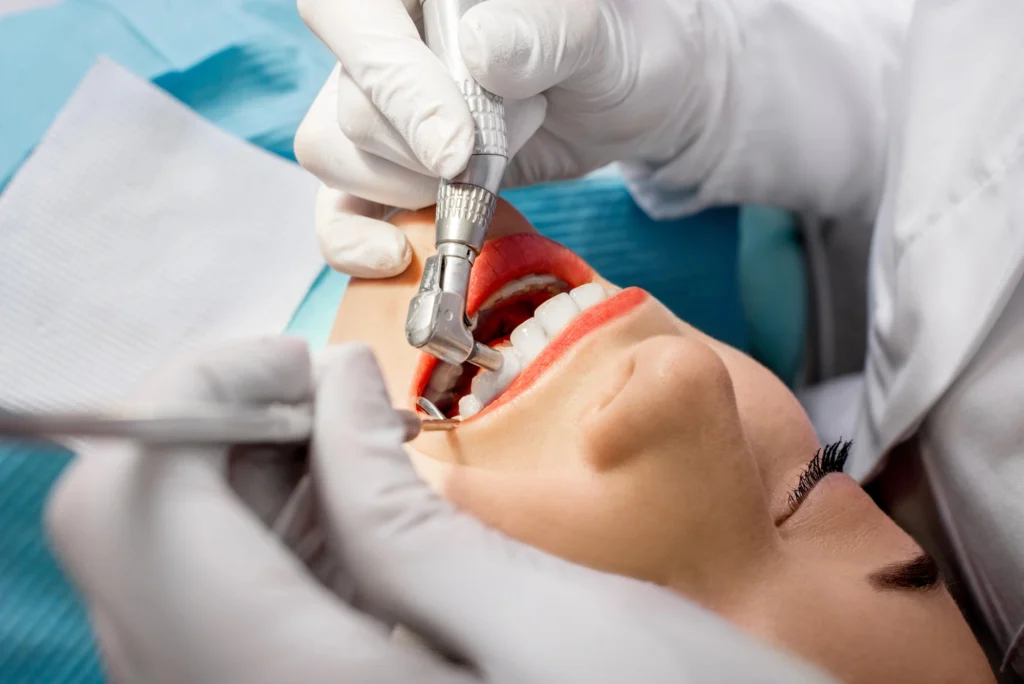
Plaque is a sticky film of bacteria that constantly forms on the teeth. Even people who brush and floss regularly can develop plaque buildup. If it is not removed thoroughly, it hardens into tartar.
Unlike plaque, tartar cannot be removed with regular brushing or flossing. It requires professional cleaning instruments to safely remove the buildup.
Areas Where Tartar Commonly Develops
- Along the gumline
- Between teeth
- Behind the lower front teeth
- Around crowns or fillings
- Hard-to-reach back teeth
Over time, accumulated tartar creates an environment where bacteria can thrive, increasing the risk of cavities and gum disease.

Small Cavities Can Become Larger Problems
One of the biggest benefits of routine cleanings and examinations is early cavity detection. Small areas of decay often cause little to no discomfort in their early stages.
When dental visits are delayed for years, minor cavities may continue to grow. What could have been treated with a small filling may eventually require more extensive care.
What Untreated Decay Can Lead to
- Larger fillings
- Root canal treatment
- Tooth fractures
- Tooth loss
Because many cavities develop without noticeable symptoms, patients may not realize a problem exists until significant damage has occurred.
Gum Disease May Develop Without Symptoms
Gum disease is one of the most common oral health concerns associated with missed dental appointments. Early-stage gum disease, called gingivitis, often causes mild symptoms that may go unnoticed.
Common Signs of Gum Disease
- Bleeding gums
- Swelling or tenderness
- Persistent bad breath
- Redness around the gums
Without treatment, gingivitis may progress into periodontal disease, which affects the supporting structures of the teeth. Advanced gum disease can contribute to bone loss, loose teeth, and even tooth loss.
Many patients are surprised to learn that significant gum disease can develop with very little pain.
Bad Breath and Tooth Staining May Increase
Professional cleanings do more than protect oral health. They also help maintain a cleaner, brighter smile.
Over time, plaque, tartar, and bacteria can contribute to persistent bad breath. In addition, stains from everyday foods and beverages often become more noticeable.
Common Teeth Staining Sources
- Coffee
- Tea
- Red wine
- Tobacco products
- Dark-colored foods
Professional cleanings remove surface stains and buildup, helping patients enjoy a fresher and healthier-looking smile.
Oral Health and Overall Health Are Connected
Research continues to demonstrate the connection between oral health and overall wellness. Inflammation associated with gum disease has been linked to various systemic health concerns.
Although oral health is only one component of overall health, maintaining healthy gums and teeth supports overall well-being.
Routine dental visits allow your dental team to monitor changes in your oral health and identify concerns before they become more serious.
Returning to the Dentist After Several Years
Many patients feel embarrassed about returning to the dentist after several years away. Fortunately, dental professionals regularly care for patients who have postponed treatment.
A comprehensive exam allows your dentist to evaluate your current oral health and develop a personalized treatment plan.
Patients returning after a long absence often benefit from:
- Thorough examinations
- Digital imaging
- Professional cleanings
- Periodontal evaluations
- Individualized treatment recommendations
The goal is to help patients move forward comfortably and confidently, regardless of how long it has been since their last appointment.
How Routine Cleanings Help Prevent Problems
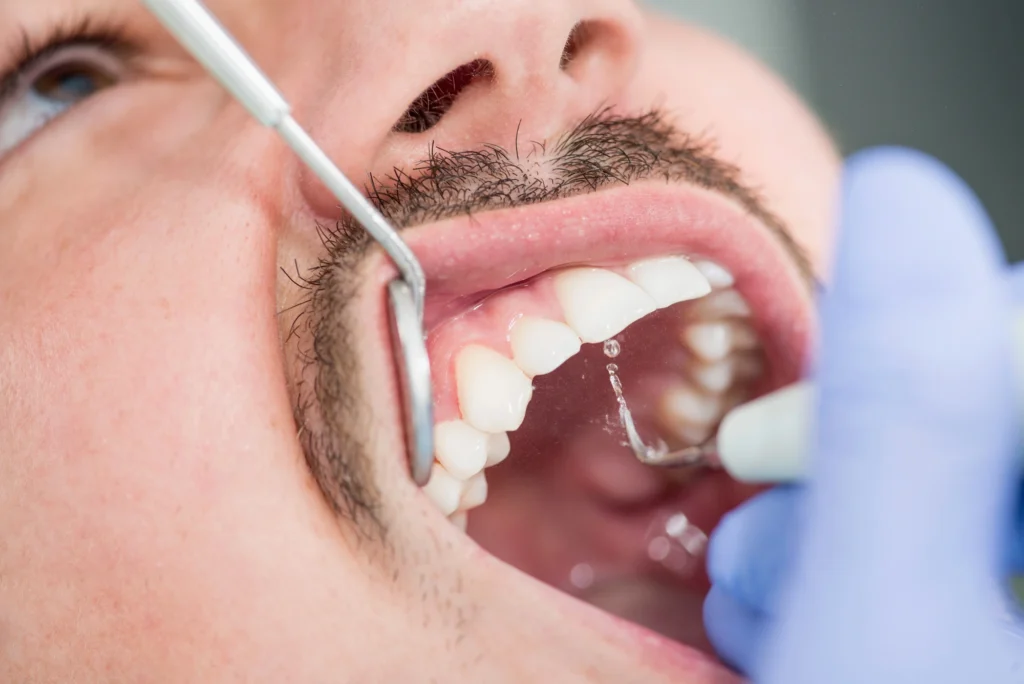
Regular cleanings and exams provide benefits that extend far beyond simply polishing the teeth.
The Benefits of Routine Dental Visits
- Removing plaque and tartar
- Detecting and treating cavities early
- Identifying gum disease
- Reducing bad breath
- Preventing costly future treatment
- Supporting overall oral health
Preventive care often saves time, money, and stress by allowing small problems to be treated before they become larger concerns.
Frequently Asked Questions
How often should I have my teeth cleaned?
Most patients benefit from professional dental cleanings every six months. However, this may vary from person to person. Your dentist can recommend a cleaning schedule based on your specific oral health needs.
What if I haven’t seen a dentist in years?
Many people postpone dental visits because of busy schedules, anxiety, or financial concerns. Dentists regularly care for patients returning after long absences and focus on providing supportive, judgment-free care. The first appointment typically includes a thorough examination and a personalized treatment plan.
Will I need a deep cleaning?
Not every patient requires a deep cleaning. If tartar buildup has extended below the gumline or signs of gum disease are present, your dentist may recommend scaling and root planing. This treatment helps remove bacteria and promote healthier gums.
Can dental problems exist without pain?
Yes. Many oral health issues develop silently. Cavities, gum disease, infections, and even cracked teeth may not cause noticeable discomfort until they become more advanced. Regular examinations help identify these problems early.
How long does a professional dental cleaning take?
Most routine cleanings take between 45 minutes and one hour. If additional treatment is needed, such as X-rays, periodontal evaluation, or deep cleaning, the appointment may take longer.
Will my teeth look whiter after a cleaning?
Professional cleanings remove plaque, tartar, and many surface stains caused by coffee, tea, wine, and tobacco. Although a cleaning is not the same as teeth whitening, many patients notice that their smiles appear brighter afterward.
Is it normal for my gums to bleed during a cleaning?
Some mild bleeding may occur, especially if there is inflammation or gingivitis. Regular cleanings and improved oral hygiene habits often help reduce gum bleeding over time.

Ready to Go Back to the Dentist After a Long Time? Schedule Your Teeth Cleaning in Richmond
If it has been months or even years since your last dental cleaning, you are not alone. At BRSL Dentistry, we believe that it is never too late to take the first step toward a healthier smile.
Professional cleanings and comprehensive exams allow your dental team to identify concerns early, restore your smile, and help you maintain healthy teeth and gums for years to come. Schedule an appointment today and take an important step toward better oral health.