


For many people, a trip to the dentist can bring feelings of nervousness, stress, or even fear. If you’ve ever postponed an appointment because of anxiety, you’re not alone.
Dental anxiety is incredibly common, affecting almost 73 % of all adult patients in the U.S. In fact, for some individuals, it can be a major barrier to getting the care they need.
The important thing to know is that modern dentistry has evolved significantly. Today’s dental practices prioritize patient comfort, clear communication, and gentle care. Going to the dentist in Glen Allen, VA, doesn’t have to be a grueling experience.
Whether your anxiety is mild or more severe, there are effective ways to help you feel at ease. By understanding what to expect and how dental teams support anxious patients, you can take the first step toward a more positive and comfortable experience.
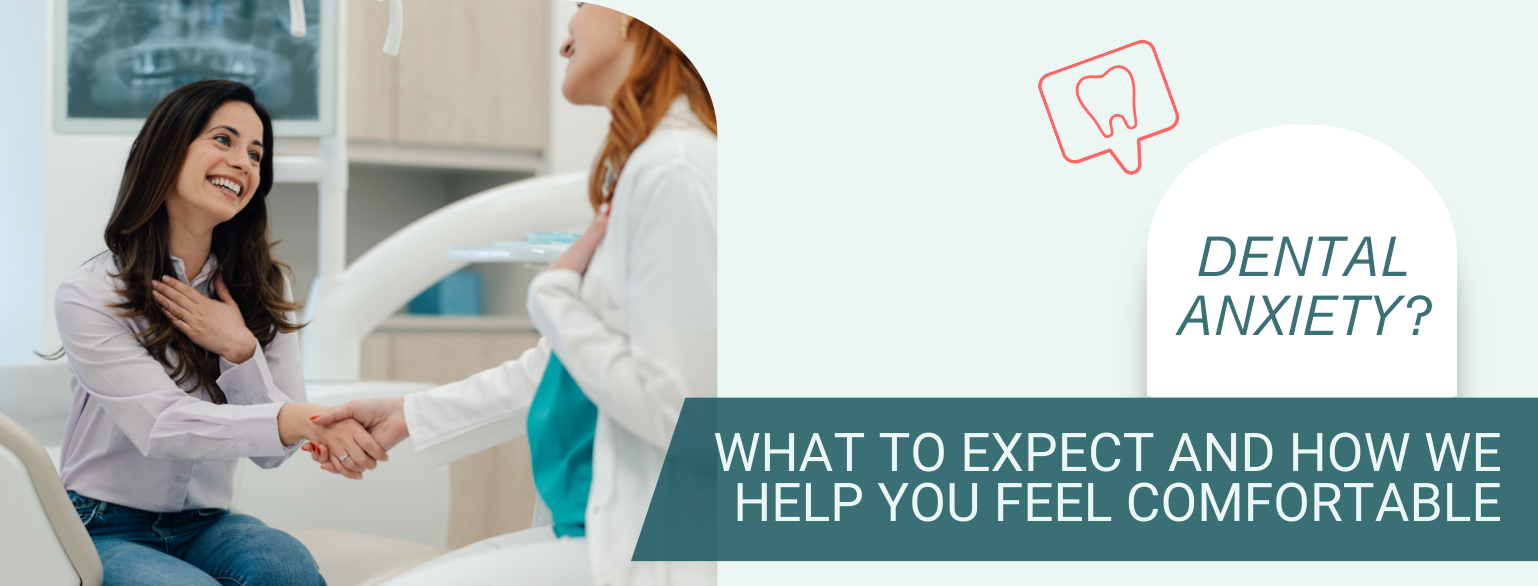
What Is Dental Anxiety?
Dental anxiety refers to feelings of fear, stress, or unease associated with dental visits. It can range from mild nervousness before an appointment to more intense fear that leads to avoiding dental care altogether.
While some people feel slightly uneasy, others may experience physical symptoms such as a racing heart, sweating, or difficulty sleeping the night before a visit.
It’s also important to distinguish between dental anxiety and dental phobia. Dental phobia is more severe and may cause individuals to avoid the dentist entirely, even when they are in pain.
Regardless of where you fall on this spectrum, your feelings are valid—and manageable with the right support.
Common Causes of Dental Anxiety
Understanding the root of dental anxiety can make it easier to address. For many patients, fear of pain is the most common concern. Even though modern techniques have made procedures far more comfortable, past experiences or outdated perceptions can still shape expectations.
Another factor is the feeling of loss of control. Sitting back in a dental chair while someone works in your mouth can make you feel vulnerable, especially if you’re unsure what’s happening.
Some patients also experience embarrassment about their oral health. If it’s been a while since your last visit, you might worry about being judged, but dental professionals are there to help, not criticize.
Negative past experiences, especially during childhood, can also leave a lasting impression. Additionally, the sounds, smells, and overall environment of a dental office can trigger anxiety for some individuals.
The key takeaway is that dental anxiety is both common and understandable. Recognizing your triggers is the first step toward overcoming them.
What to Expect at a Modern Dental Visit
One of the most effective ways to reduce anxiety is knowing what to expect. Modern dental visits are designed to be transparent, collaborative, and patient-focused.
When you arrive, you’ll be welcomed by a friendly team who will take the time to discuss your concerns and medical history. This is your opportunity to share any anxiety or past experiences so your care can be tailored to your needs.
You’ll start by meeting your hygienist, who will take some X-rays of your mouth and give you a refreshing cleaning. You’ll then meet your dentist, who will ask about any pressing concerns you might have and what you would like to accomplish with your dental care.
The exam itself is usually gentle and thorough. Throughout the process, your dentist will explain what they’re doing and why, so there are no surprises.
After the exam, you’ll receive a clear explanation of any findings, along with recommended treatment options (and maybe even some financing options for those treatments). Importantly, you’ll be involved in every decision: nothing is done without your understanding and consent.
This open, communicative approach helps build trust and gives you a sense of control over your care.

How We Help You Feel Comfortable
Helping patients feel relaxed and supported is a top priority in modern dentistry. There are several ways dental teams create a more comfortable experience for those with anxiety.
Open Communication and Listening
It all starts with listening. Patients are encouraged to share their fears, preferences, and concerns openly. Many dental teams establish simple hand signals, like raising your hand, to pause treatment at any time. This ensures you remain in control throughout your visit.
Gentle, Patient-Centered Care
Dentists today take a slower, more mindful approach, checking in frequently to make sure you’re comfortable. Procedures are explained step-by-step, and adjustments are made based on your comfort level.
Comfort Amenities
Many dental offices offer amenities designed to help you relax. These may include blankets, headphones, music, or even TVs to help distract you during treatment. A calm, welcoming environment can make a big difference in easing anxiety.
Sedation Options
For patients who need additional support, sedation dentistry can be a game-changer. Options may include:
- Nitrous oxide (laughing gas) for mild relaxation
- Oral sedation for a deeper sense of calm
- IV sedation for more complex or anxiety-inducing procedures
These options are safe, effective, and tailored to your individual needs, helping you feel more at ease during your visit.
Tips for Managing Dental Anxiety Before Your Visit
While your dental team plays a big role in your comfort, there are also steps you can take to manage anxiety before your appointment.
Scheduling your visit in the morning can help reduce the time spent worrying throughout the day. Practicing deep breathing or relaxation techniques can also calm your nerves leading up to your appointment.
Bringing headphones and listening to music or a podcast can provide a helpful distraction. It’s also a good idea to avoid caffeine beforehand, as it can increase feelings of anxiety.
If possible, consider bringing a trusted friend or family member for support. Most importantly, communicate your concerns ahead of time so your dental team can prepare and accommodate your needs.
Why Overcoming Dental Anxiety Matters
Avoiding the dentist due to anxiety may feel easier in the short term, but it can lead to more serious issues over time. Small concerns, like minor cavities or gum inflammation, can develop into more complex problems if left untreated.
Regular dental care not only protects your oral health but also supports your overall well-being. It can help prevent pain, reduce the need for more invasive procedures, and improve your confidence in your smile.
Taking steps to manage dental anxiety can ultimately lead to a healthier, more comfortable future.
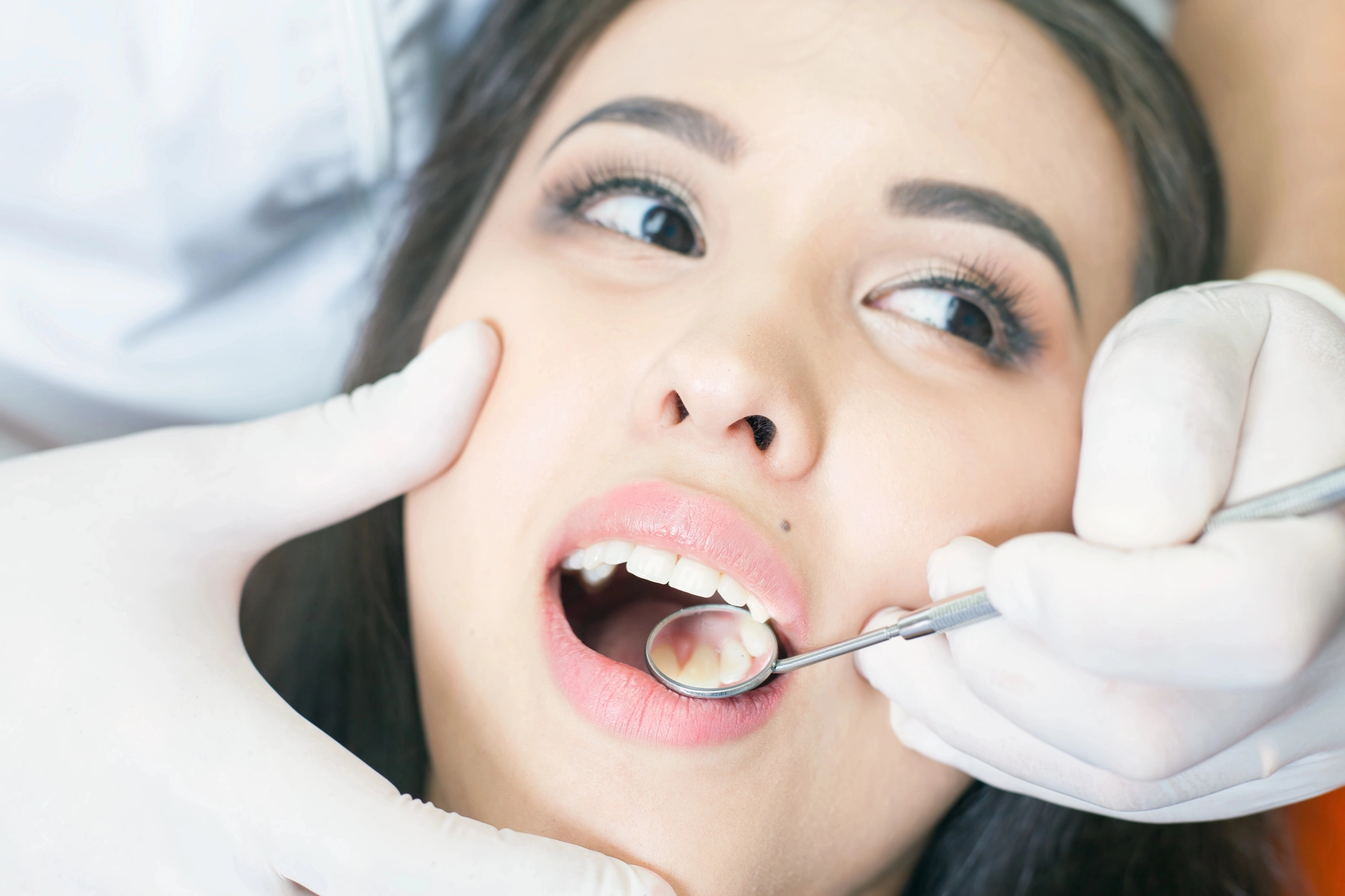
Take the First Step Toward Stress-Free Dental Care with a Dentist in Glen Allen, VA
Dental anxiety is more common than you might think, and it’s nothing to be embarrassed about. Modern dental care is designed with your comfort in mind; from gentle techniques and advanced technology to supportive, understanding teams who are there to help you every step of the way.
If dental anxiety has been holding you back, now is the perfect time to take that first step. Book an appointment today for a consultation and personalized treatment plan and discover how comfortable and stress-free dental care can truly be.