


Dentures aren’t meant to last forever, and the signs that it’s time for a new set often creep in gradually. Many patients looking into dentures in Henrico are surprised to learn just how much their fit can change over the years, sometimes without any obvious warning.
Here’s a look at the key signs to watch for, and why addressing them early makes all the difference. Our team can help you determine whether a simple adjustment or a full replacement is right for you.
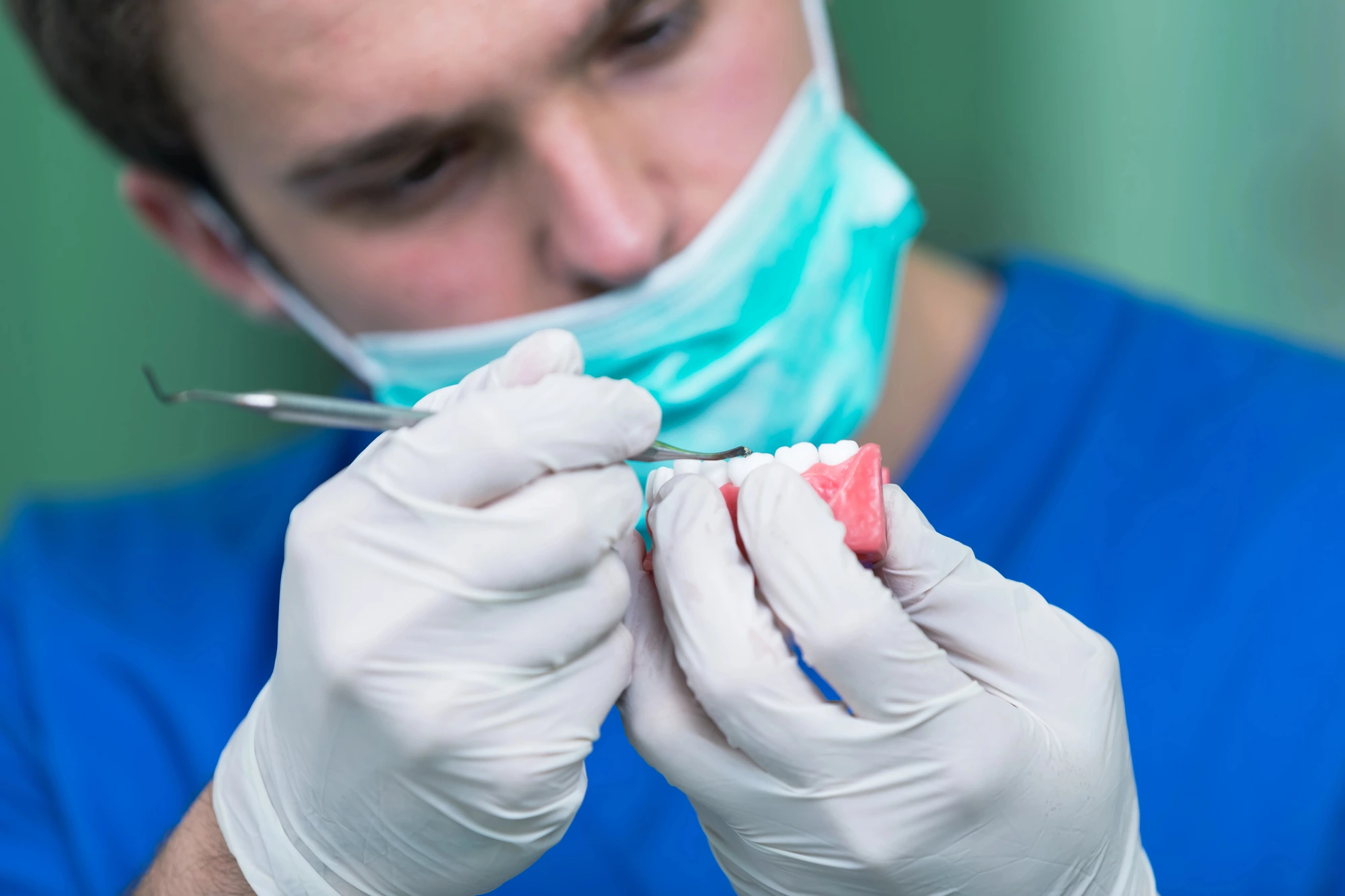
Why Dentures Don’t Last Forever
It isn’t just the denture itself that changes over time. Your jawbone and gum tissue naturally shift after tooth loss, which affects the fit of your denture, even if the appliance itself still looks fine. That’s why “still wearable” doesn’t always mean “still working well,” and why regular checkups matter even for long-time denture wearers.
7 Signs It’s Time for New Dentures
Keep an eye out for these common warning signs:
- Slipping or clicking while eating or speaking
- Visible wear, cracks, or discoloration
- Sore spots, irritation, or gum redness
- Difficulty chewing certain foods
- Changes in facial appearance or sagging
- Dentures feeling loose after a diet or health change
- It has been 5 to 7 years or longer since your last set
Each of these signs points to a different issue, from bone and gum changes to simple everyday wear, but all of them are worth mentioning at your next visit. As MouthHealthy notes, if your dentures no longer fit well or are damaged, it’s important to contact your dentist rather than waiting it out.
Why Ignoring These Signs Can Cause Bigger Problems
Ill-fitting dentures don’t just cause discomfort. Over time, they can accelerate bone loss and lead to more significant oral health issues. Many patients also start avoiding certain foods to compensate for a poor fit, which can affect their nutrition and their confidence in everyday conversations and photos.
The American Dental Association recommends regular checkups so your dentist can catch these changes early, before they become bigger problems.
Refit vs. Replace: How Your Dentist Decides
Sometimes a reline or minor adjustment solves the problem, while other cases call for a full replacement. Your dentist will evaluate your fit, wear, and any changes in your mouth to recommend the right path forward.
If you’re looking for more stability long-term, implant dentures are also worth discussing, especially if slipping has become a regular frustration. It’s also worth reviewing your other options for replacing missing teeth if your needs have changed since your last set was made.
Frequently Asked Questions
How often should dentures be replaced?
Most dentures last 5 to 7 years, though this varies by patient.
Can loose dentures be fixed without full replacement?
Sometimes. A reline or adjustment may solve any issues.
Are implant dentures a good alternative to traditional ones?
Yes. They offer a more secure, stable fit for many patients.

Ready for a More Comfortable Set of Dentures Henrico Patients Trust?
If any of these signs sound familiar, it may be time for an evaluation. Our team at BRSL Dentistry is ready to help you find the right fit, whether that means a simple adjustment or a completely new set. Request an appointment today and get back to smiling, eating, and speaking with confidence.