


Dental implants have become one of the most trusted solutions for replacing missing teeth. They offer long-term stability, natural appearance, and improved oral function. Yet many patients begin the process feeling uncertain about what to expect.
In fact, people who have completed implant treatment often say there are several things they wish they had known beforehand. Understanding these realities can help reduce anxiety, set realistic expectations, and make the entire experience feel more comfortable.
If you are considering dental implants in Short Pump, here are some of the most common things patients say they wish they had known before getting started.

The Process Takes Time — and That Is a Good Thing
Many patients are surprised to learn that dental implant treatment is completed in stages rather than during a single appointment. While this may seem inconvenient at first, the healing process is one of the reasons implants are so successful.
The treatment process often includes:
- Initial consultation and planning
- Implant placement
- Healing and bone integration
- Final restoration placement
Healing Is Part of the Success
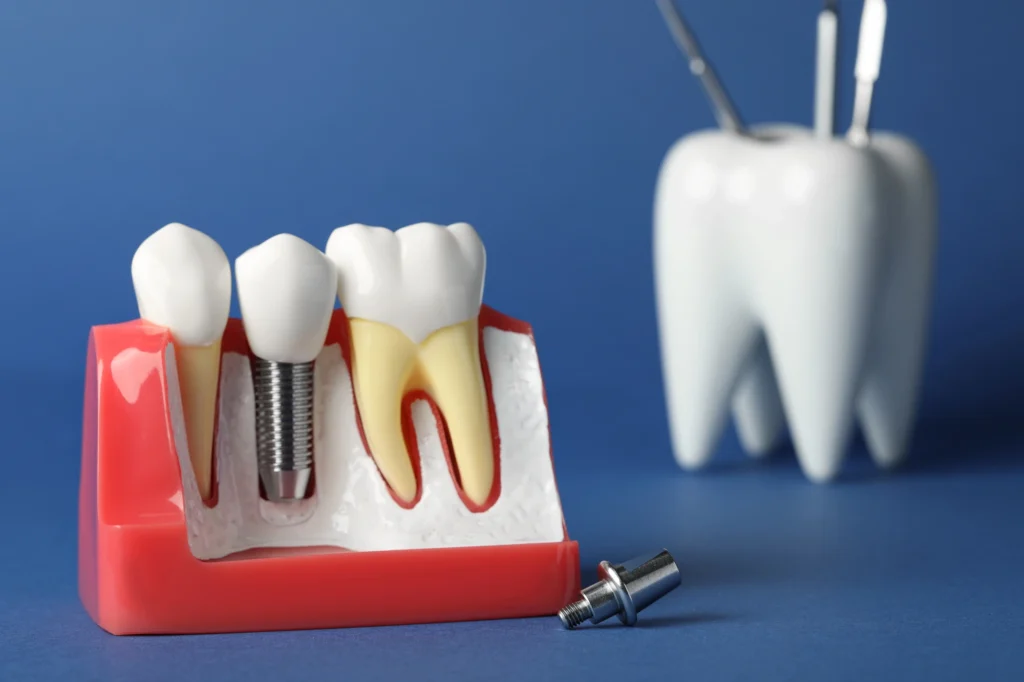
During healing, the implant gradually fuses with the jawbone through a process called osseointegration. This creates the strong foundation that allows dental implants to function much like natural teeth.
Although the timeline may take several months, patients often discover that the long-term benefits make the wait worthwhile.
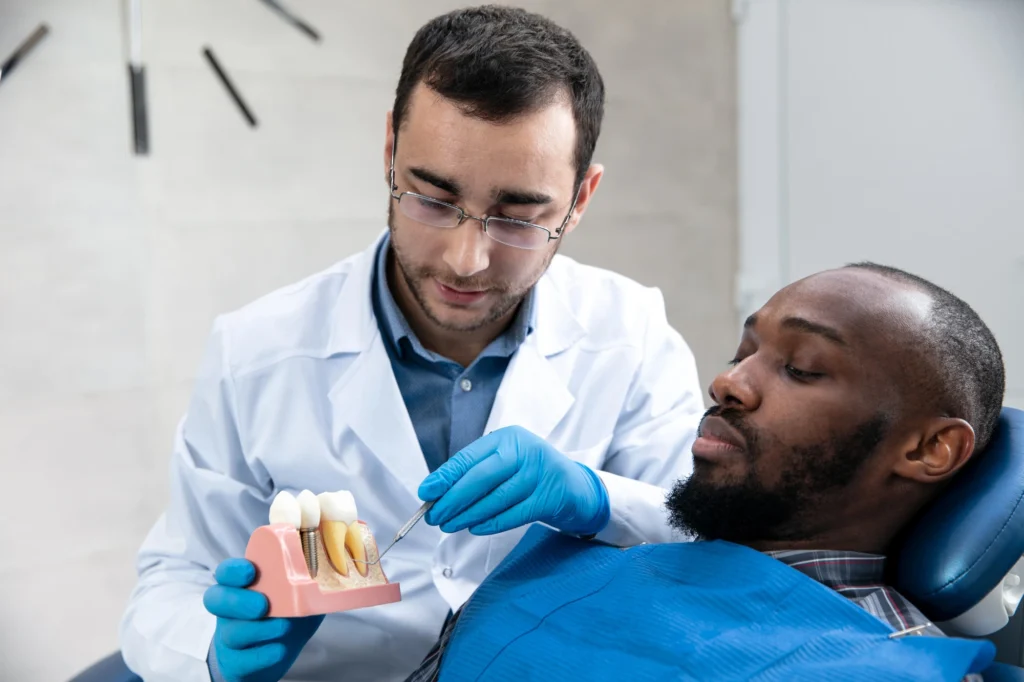
The Procedure Is Often More Comfortable Than Expected
One of the biggest fears patients have involves discomfort during treatment. Many people imagine dental implant surgery to be painful or difficult.
Fortunately, modern implant dentistry focuses heavily on patient comfort. Local anesthesia keeps the treatment area numb, and sedation options may also be available for patients who feel anxious.
What Often Surprises Patients
- The procedure is shorter than expected.
- Numbing keeps them comfortable.
- Recovery is manageable.
- Most soreness improves quickly.
- Many people return to normal activities within a few days.
Many implant patients later report that the procedure was far easier than they anticipated.
Every Patient Has a Different Timeline
Another common surprise is that dental implant treatment is highly individualized. No two patients have exactly the same experience.
Several factors can influence the overall timeline, including:
- The number of implants needed
- Bone quality and density
- Healing response
- Existing oral health conditions
- The need for additional treatment
Personalized Treatment Makes a Difference
Your dentist develops a personalized treatment plan designed around your specific needs and long-term goals. Some patients complete treatment relatively quickly, while others may benefit from additional healing time or preparatory procedures.
Additional Procedures May Sometimes Be Necessary
Some patients are surprised to learn that tooth loss can affect the jawbone. After a tooth is lost, the surrounding bone may gradually shrink over time.
In certain situations, your dentist may recommend:
- Tooth extraction
- Additional preparatory care
While these recommendations can initially feel disappointing, they are often important steps for improving implant success.
Many patients who require these procedures are still excellent candidates for dental implants.
Good Oral Hygiene Still Matters
Dental implants cannot develop cavities, but the surrounding gums and supporting tissues still require excellent care.
Patients sometimes assume implants require less maintenance than natural teeth. In reality, good oral hygiene remains extremely important.

Caring for Your Investment
Successful implant maintenance includes:
- Brushing twice daily
- Flossing regularly
- Professional cleanings
- Routine examinations
- Healthy lifestyle habits
Long-term implant success often depends on maintaining healthy gums and consistent preventive care.
Dental Implants Offer More Than Cosmetic Benefits
Many people initially pursue dental implants because they want to improve their smiles. However, patients frequently discover that the benefits extend well beyond appearance.
Dental implants may help:
- Restore chewing ability
- Support jawbone health
- Prevent shifting teeth
- Improve speech
- Enhance confidence
- Provide long-term stability
Many patients report that being able to eat comfortably again and speak confidently has had a major impact on their quality of life.
The Consultation Answers Most Questions
Some patients delay scheduling a consultation because they feel uncertain about the process. In reality, the consultation is designed to answer questions and provide clarity.
Your First Appointment Is an Important Step
During your evaluation, your dental team may:
- Perform a comprehensive examination
- Take digital images
- Review your medical history
- Discuss your concerns
- Explain treatment options
- Develop a personalized plan
This visit often helps patients feel much more confident about moving forward.
Frequently Asked Questions
How painful is dental implant treatment?
Most patients report less discomfort than they expected. Local anesthesia keeps the treatment area numb during the procedure, and any soreness afterward is often manageable with recommended medications and home care instructions.
How long does the implant process take?
The overall timeline varies from patient to patient. Some treatments may take several months because the implant needs time to integrate with the jawbone. Your dentist can provide a personalized estimate during your consultation.
Will I need a bone graft?
Not every patient requires bone grafting. However, if significant bone loss has occurred after tooth loss, your dentist may recommend a graft to create a stronger foundation for the implant.
Can implants replace multiple teeth?
Yes. Dental implants can support single crowns, bridges, and implant-supported dentures. They can replace one missing tooth, several missing teeth, or even an entire arch of teeth.
How long do dental implants last?
With proper care, dental implants can often last can often last up to 15 years. Maintaining good oral hygiene and attending regular dental visits play important roles in long-term success.
What happens if I wait too long to replace a missing tooth?
Delaying treatment may lead to bone loss, shifting teeth, bite changes, and additional dental problems. Replacing missing teeth sooner can often help preserve oral health and simplify treatment options.
Get Your Confident Smile Back with Dental Implants in Short Pump
Starting dental implant treatment often feels much easier once you understand what to expect. At BRSL Dentistry, we believe that a consultation allows our team to answer your questions, evaluate your oral health, and develop a treatment plan tailored to your needs.
If you are considering dental implants, schedule an appointment today and take the first step toward restoring your smile, improving function, and regaining confidence with a long-lasting tooth replacement solution.